The Corvette ZR1X: Pushing GM’s Performance Legacy Into a New Era

Image © Chevrolet / General Motors
The Chevrolet Corvette ZR1X represents a strategic evolution within General Motors’ high-performance division, signaling a clear intention to explore the upper boundary of what a front-mid-engine American sports car can become. While the automotive world has shifted toward electrification and hybridized performance, Chevrolet continues to refine its core V8-driven identity, using concepts like the ZR1X to test the limits of aerodynamics, engineering, and brand positioning. The ZR1X is not a random experiment; it is a calculated step designed to assess how far GM can push the Corvette platform without compromising its fundamental character.
This vehicle concept aligns with a broader movement in the industry, where brands increasingly use high-spec track-oriented models to showcase upcoming technologies. For Chevrolet, the ZR1X functions as a bridge between its existing lineup and the performance expectations of the next decade. It reflects an environment where customers demand sharper handling, higher downforce, improved thermal stability, and powertrains capable of delivering consistent performance under extreme conditions.
The ZR1X also occupies an important symbolic space. It demonstrates that GM is not willing to cede technological or performance leadership to European or Asian competitors. Instead, Chevrolet aims to position the Corvette as a global benchmark, not just a domestic performance icon. Through aggressive aerodynamic experimentation, advanced chassis tuning, and the possible integration of hybrid assistance in future development paths, the ZR1X shows what the brand believes the next iteration of American performance could look like.
Ultimately, the ZR1X is less about immediate production intent and more about establishing direction. It is a statement: Chevrolet is preparing for a future where the Corvette nameplate must adapt, compete, and remain relevant in an increasingly complex performance landscape.
1. Introduction: The Strategic Role of the ZR1X in GM’s Performance Portfolio

Image © Chevrolet / General Motors
The Chevrolet Corvette ZR1X occupies a unique and deliberate position within General Motors’ broader performance strategy. In recent years, GM has diversified its approach to high-performance engineering, balancing traditional internal-combustion models with hybrid experimentation and the initial steps toward future electrification. Within this shifting landscape, the ZR1X operates as a conceptual and developmental anchor—an indicator of where Chevrolet sees the upper performance ceiling for the front-mid-engine Corvette platform and how it intends to defend its competitive status in a market filled with increasingly advanced performance cars from Europe and Asia.
The ZR1X is not presented as a standalone showpiece. Instead, it represents a synthesis of the engineering lessons learned from recent Corvette variants, including the Z06 and track-focused packages that emphasize downforce, thermal management, and high-load durability. In this context, the ZR1X becomes a strategic testing ground. GM uses such concepts to validate aerodynamic profiles, structural reinforcements, and component durability long before committing to a production model. This allows Chevrolet to calibrate expectations, assess customer appetite for more extreme performance packages, and frame the Corvette brand in a global performance environment that evolves rapidly.
Concepts like the ZR1X also serve another crucial role: brand continuity. The Corvette name must remain competitive not only in raw performance figures but also in perceived technological relevance. As competing manufacturers push toward hybrid assistance, advanced aerodynamics, and motorsport-derived chassis technologies, Chevrolet must actively demonstrate that it is neither stagnant nor reliant solely on past successes. The ZR1X communicates that message clearly. It signals Chevrolet’s readiness to explore performance solutions that could influence upcoming high-level Corvette models, particularly as the demands for stability at high speed, cornering precision, and heat management continue to grow.
The strategic significance of the ZR1X extends to market positioning as well. GM understands that customers in the upper performance segment—those cross-shopping European supercars, track-oriented specials, or limited-production halo models—expect continual innovation. A concept like the ZR1X allows Chevrolet to shape the narrative early, defining how the brand intends to compete and what customers might anticipate from future flagship variants. Even without confirmed production intent, the ZR1X strengthens the perception that Chevrolet is pushing toward a more advanced and globally conscious performance identity.
In summary, the ZR1X operates as a forward-facing strategic asset for GM. It balances heritage and innovation, clarifies the technological direction of future Corvette offerings, and reinforces Chevrolet’s position in the competitive landscape of high-performance engineering. Its role is not merely experimental; it is foundational for what comes next.
2. Design and Aerodynamics: How Chevrolet Differentiates the ZR1X Concept
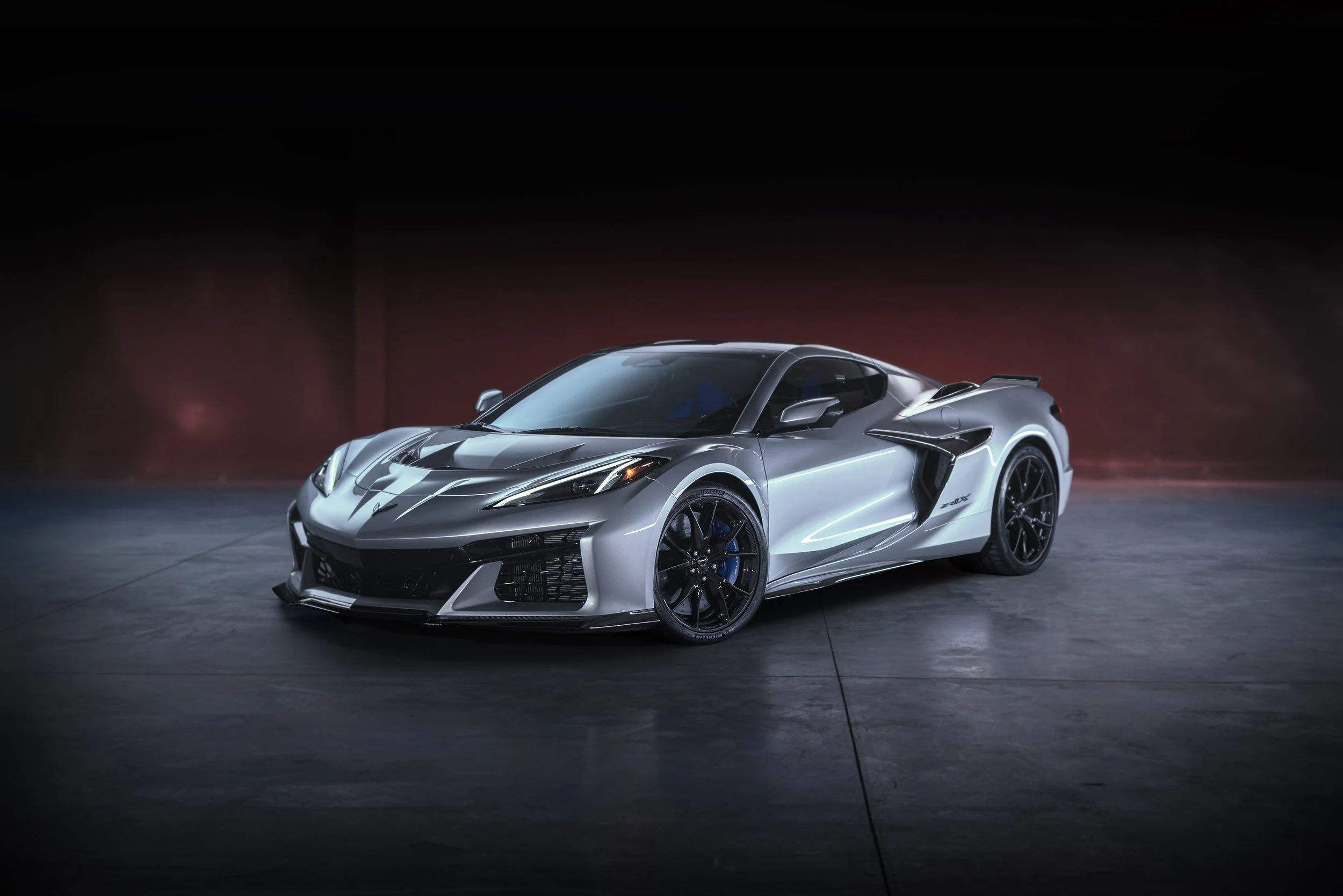
Image © Chevrolet / General Motors
The design of the Chevrolet Corvette ZR1X reflects a clear emphasis on aerodynamic efficiency, stability, and thermal management—three areas that define the trajectory of modern high-performance engineering. While Chevrolet has not positioned the ZR1X as a production-ready vehicle, its design elements reveal the brand’s strategic direction: maximizing downforce without compromising high-speed balance, improving airflow to critical components, and defining a more aggressive visual identity that signals the Corvette’s evolution.
At first glance, the ZR1X adopts a more assertive aerodynamic profile compared to previous high-spec Corvette variants. The front fascia is shaped to optimize airflow distribution, reducing lift and channeling air toward the cooling systems responsible for managing elevated thermal loads. This approach reflects GM’s ongoing efforts to address heat-related performance limitations, particularly in track environments where repeated high-RPM operation demands highly efficient cooling pathways.
The side profile demonstrates similar intent. Sculpted channels and sharper body lines appear designed to accelerate airflow along the vehicle’s flanks, improving pressure management and enhancing stability at speed. These design cues are consistent with trends seen in high-performance vehicles that prioritize predictable handling and reduced aerodynamic turbulence, especially during cornering transitions. While the exact coefficients and performance data have not been disclosed, the visual language suggests that Chevrolet is exploring more race-inspired surface geometry for future applications.
At the rear, the ZR1X concept distinguishes itself through a combination of aerodynamic components that emphasize downforce generation and airflow extraction. The integration of a large rear wing, extended diffuser structures, and aggressive venting indicates Chevrolet’s focus on refining high-speed grip and improving rear-end stability. These elements collectively suggest an evolution of Corvette design philosophy toward a more track-oriented aerodynamic signature, aligning with global developments in performance engineering where downforce is considered as critical as horsepower.
The overall exterior composition serves a dual purpose. It signals technical ambition while preserving the recognizable proportions of the Corvette platform. Maintaining that visual continuity matters for brand identity, particularly as Chevrolet experiments with more advanced aerodynamic forms. The ZR1X bridges familiarity and experimentation, suggesting that future Corvette iterations may incorporate more pronounced aerodynamic hardware while still retaining the core silhouette that defines the model.
Taken together, the design and aerodynamic framework of the ZR1X illustrates Chevrolet’s push for higher performance ceilings through airflow optimization rather than brute force alone. It lays the groundwork for future Corvette models that must balance increasing power outputs with stability, cooling efficiency, and predictable dynamic behavior.
3. Powertrain Vision: Engineering Pathways Toward a Potential ZR1X Production Model

Image © Chevrolet / General Motors
The powertrain vision behind the Chevrolet Corvette ZR1X is not defined by published specifications but by the engineering direction Chevrolet appears to be exploring. The ZR1X serves as a conceptual framework rather than a finalized drivetrain package, allowing GM to evaluate how future Corvette performance models could evolve within a market increasingly shaped by hybrid systems, advanced forced induction, and stricter thermal requirements. As a result, the ZR1X highlights the strategic questions GM must address: how to balance traditional V8 performance with emerging technologies, how to manage escalating heat loads, and how to deliver consistent power under track conditions.
Historically, Chevrolet has relied on high-displacement V8 engines to define Corvette performance. However, with rising internal and external pressure to modernize, GM faces the challenge of determining whether the next generation of performance Corvettes should remain purely combustion-powered or incorporate hybrid assistance. The ZR1X’s conceptual framing suggests Chevrolet is evaluating both pathways. On one hand, a high-output V8 remains central to the brand’s identity. On the other, hybrid systems offer advantages in torque delivery, throttle response, and energy recuperation—all areas that influence performance metrics on modern circuits.
Thermal stability is another major engineering focus implied by the ZR1X concept. High-output combustion engines, especially those utilizing forced induction, generate substantial heat under continuous load. Track-oriented models often face limitations due to cooling inefficiencies rather than power deficits. The ZR1X’s aerodynamic emphasis on airflow management indicates that Chevrolet is prioritizing improved heat dissipation. This aligns with lessons learned from previous Corvette variants, where sustained high-performance driving exposed cooling challenges that required engineering refinement.
Additionally, the platform must support the structural demands associated with higher output levels, particularly if hybridization becomes part of the equation. Batteries, electric motors, and associated control systems introduce weight distribution challenges that affect handling, braking, and suspension geometry. The ZR1X concept allows GM to test theoretical configurations without committing to specific production layouts, giving engineers a foundation to evaluate future possibilities.
Ultimately, the ZR1X’s powertrain vision is less about defining a specific engine and more about outlining a development direction. Chevrolet is using the concept to explore how the Corvette can maintain its performance identity while adapting to modern engineering expectations. Whether future models remain purely V8-powered or integrate hybrid solutions, the ZR1X frames the decision-making process and influences what the next evolution of the Corvette’s powertrain could look like.
4. Chassis, Handling, and Track Intent

Image © Chevrolet / General Motors
The chassis and handling philosophy implied by the Chevrolet Corvette ZR1X concept signal a shift toward increasingly track-focused vehicle dynamics within GM’s performance strategy. While the ZR1X is not a finalized production model, its visual and structural cues point to the engineering priorities Chevrolet is evaluating for future high-performance Corvettes: higher rigidity, improved aero-mechanical integration, enhanced stability at elevated speeds, and predictable handling behavior under sustained load.
A core aspect of any track-oriented platform is structural stiffness. Greater rigidity allows suspension components to operate with higher precision, improving consistency during aggressive cornering and braking events. Although Chevrolet has not released specific details, the ZR1X’s design language suggests an emphasis on reinforcement zones around the front suspension mounts, rear subframe, and lateral bracing points. These areas typically bear the highest forces in performance driving environments. Strengthening them helps engineers extract maximum capability from aerodynamic downforce and high-grip tires.
Suspension geometry is another critical element. Track-focused vehicles require setups that maintain tire contact patches through rapid weight transfer, elevation changes, and extended lateral loading. The ZR1X appears positioned to explore sharper damping characteristics, firmer spring rates, and increased adjustability—elements that would allow future Corvette variants to adapt more precisely to circuit conditions. The aerodynamic work showcased in the ZR1X also implies that Chevrolet is studying how airflow over and under the vehicle interacts with suspension behavior, especially during high-speed transitions.
Meet ZR1X
Source: Chevrolet Youtube
Braking performance is equally central to the vehicle’s intended role. As power outputs increase and track use becomes more demanding, braking systems must maintain fade resistance, temperature stability, and consistent pedal feel. Although the ZR1X does not present a production-spec brake package, its conceptual intent suggests Chevrolet is prioritizing larger thermal capacity, improved rotor ventilation, and more efficient cooling channels integrated into the bodywork.
Weight balance plays a decisive role in how the platform behaves at the limit. The Corvette architecture already benefits from a favorable front-mid-engine layout. The ZR1X serves as an opportunity for engineers to further refine mass distribution models, potentially accommodating additional aerodynamic components or future hybrid integration without disrupting the platform’s dynamic neutrality.
Collectively, the ZR1X concept demonstrates Chevrolet’s focus on elevating track capability through structural refinement, chassis optimization, and deeper integration of aerodynamic forces into handling behavior. It signals a future in which performance Corvettes may adopt more motorsport-influenced dynamics to remain competitive against global benchmarks.
5. Market Positioning: Where the ZR1X Would Stand Among Global High-Performance Cars
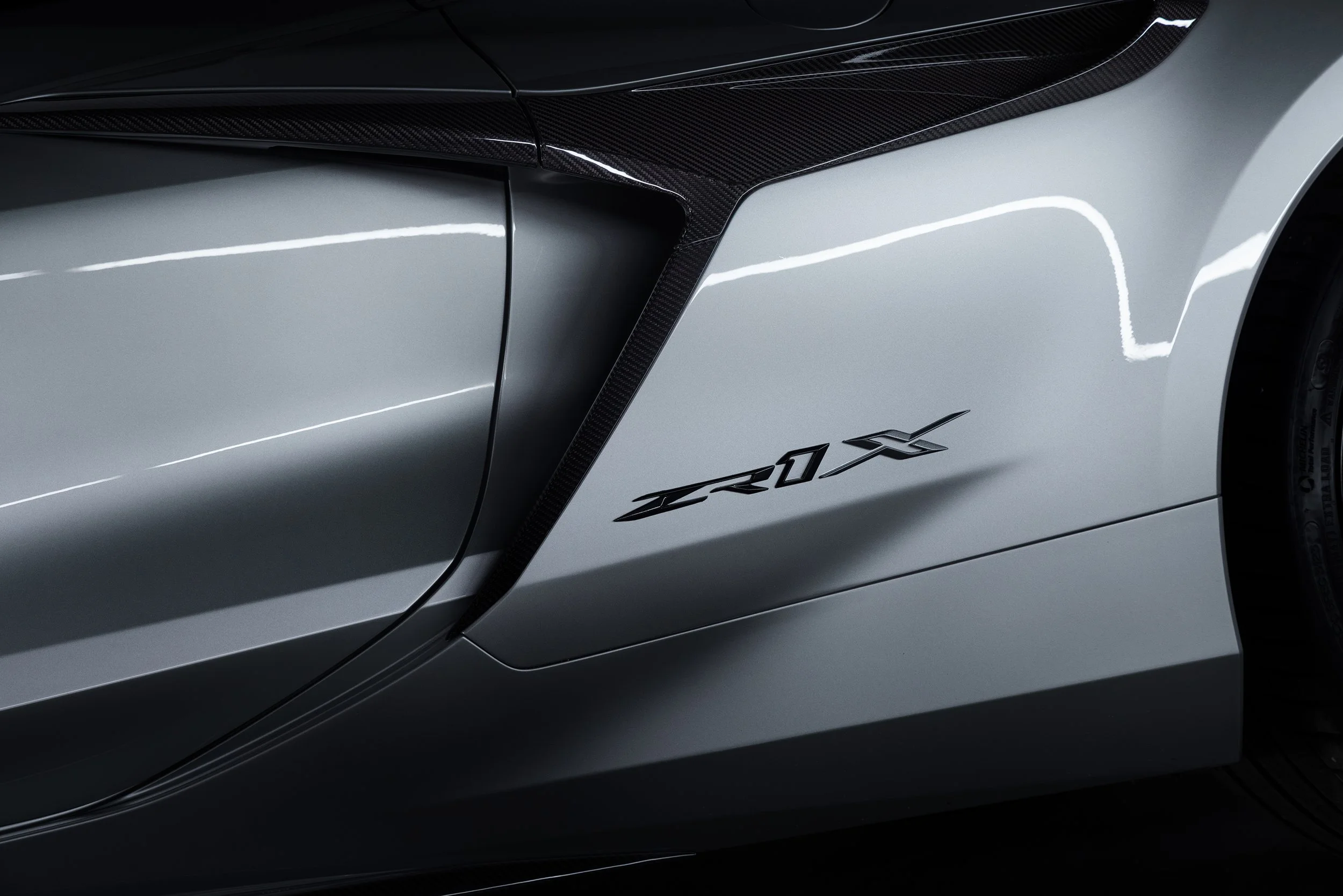
Image © Chevrolet / General Motors
Positioning the Chevrolet Corvette ZR1X within the global performance landscape requires examining its conceptual intent rather than specific output figures. The ZR1X is not framed as a production-ready model but as a strategic signal of Chevrolet’s ambitions in the upper performance tier. In this context, its market positioning reflects the role it would play rather than the exact metrics it would deliver. The ZR1X aims to demonstrate that GM is prepared to compete in a segment traditionally dominated by European manufacturers known for their high-end engineering and track-focused development.
The Corvette has long held a unique position as a comparatively accessible high-performance vehicle, offering capability that challenges far more expensive competitors. With the ZR1X concept, Chevrolet indicates that the brand is willing to step closer to the performance philosophies pursued by companies such as Porsche, McLaren, Ferrari, and Lamborghini—manufacturers that emphasize aerodynamics, chassis precision, and motorsport-derived technologies. The ZR1X’s aggressive design and track-focused orientation illustrate Chevrolet’s interest in appealing to customers who prioritize performance sophistication over everyday usability.
From a pricing perspective, although no figures exist for the ZR1X itself, any related future model would likely target a segment above the traditional Corvette range. This would place it at the intersection between American performance value and global high-end competition. The intent is not to outprice established supercar brands but to offer an alternative that blends American engineering identity with a higher degree of technical ambition. Such positioning allows Chevrolet to strengthen the Corvette brand internationally and attract buyers who previously viewed the platform as lacking the extreme aerodynamic and handling focus found in more specialized European offerings.
Another important aspect is narrative control. By presenting the ZR1X as a conceptual benchmark, Chevrolet shapes expectations around future innovation. Customers and industry observers interpret the model as evidence that Corvette development is evolving beyond incremental improvements, aligning instead with global developments in track-focused engineering. This narrative also supports Chevrolet’s broader strategy of repositioning the Corvette name as a competitive force in the international performance hierarchy.
Ultimately, the ZR1X would occupy a role between traditional high-performance sports cars and the upper echelon of track-oriented supercars. It signals that Chevrolet is willing to push the Corvette platform into more specialized territory, appealing to enthusiasts who seek advanced aerodynamics, sharper handling, and a more aggressive performance identity without fully entering the ultra-luxury price segment.
6. Future Outlook: What the ZR1X Signals for the Corvette Brand

Image © Chevrolet / General Motors
The ZR1X concept provides a clear indication of how Chevrolet envisions the future of the Corvette brand within an increasingly competitive and technologically demanding performance market. While the ZR1X itself is not positioned as a confirmed production vehicle, its existence demonstrates that GM is actively evaluating how high-performance engineering must evolve to maintain the Corvette’s relevance in the coming decade. The automotive landscape is shifting rapidly, driven by new regulatory environments, electrification trends, and customer expectations for track capability and durability. The ZR1X functions as a response to these pressures, outlining possible developmental pathways without committing to a specific configuration.
One of the most significant signals emerging from the ZR1X is Chevrolet’s willingness to embrace more advanced aerodynamic and chassis technologies. The concept embodies a stronger motorsport influence than traditional Corvette models, implying that Chevrolet sees future value in delivering vehicles with greater downforce, sharper handling, and more specialized performance characteristics. As global competitors continue to release increasingly capable track-focused models, Chevrolet must narrow the gap to preserve its competitive standing, especially in markets where brand perception is shaped by engineering sophistication as much as by historical legacy.
Another key area the ZR1X highlights is the ongoing evaluation of powertrain evolution. Although no specifications are tied to the concept, it reflects GM’s internal debate about the balance between traditional V8 performance and emerging hybrid solutions. Future Corvette variants may need to incorporate hybrid assistance to meet performance, efficiency, and emissions expectations. The ZR1X acts as a conceptual testing point that helps engineers determine how such technologies could integrate into the platform without undermining the Corvette’s identity.
The ZR1X also signals GM’s intent to strengthen the Corvette name globally. Historically, the Corvette dominated primarily in North America, with varying levels of recognition and acceptance in Europe and Asia. As GM pushes for greater international relevance, concepts like the ZR1X support that effort by aligning the brand with global performance trends rather than relying solely on traditional American muscle attributes. This shift positions future Corvettes to compete more credibly with established European and Japanese performance benchmarks.
Finally, the ZR1X represents a broader philosophical shift: the Corvette brand is preparing for a future where performance vehicles must justify their existence not only through power output but through engineering quality, adaptability, and long-term developmental direction. The concept lays the groundwork for what Chevrolet considers essential—advanced aerodynamics, structural refinement, improved thermal management, and potential hybrid integration. These priorities form the basis of the Corvette’s evolution as the industry transitions toward new performance paradigms.
In essence, the ZR1X is not a prediction of a specific model but a strategic roadmap. It demonstrates that Chevrolet intends to push the Corvette into a more advanced, globally competitive era while safeguarding the core attributes that define the brand.
Affiliate Disclosure
Chevy Style, Track Spirit: The Ultimate Corvette Hoodie for Real Fans
Disclosure: Some of the links on this website are affiliate links. This means that if you click on one of these links and make a purchase, we may earn a small commission at no extra cost to you.
We only recommend products and services that we trust or that are directly relevant to our content. Affiliate earnings help us keep this platform independent and of high quality.